

6 Reasons Why Incumbents Lose Tenders
So you’ve been enjoying a lucrative Government or Commercial contract but the contract term is coming to a close and you have to get on the tender merry-go-round once again. But all too often I see the incumbent fail - and I usually end up talking to them 3 years later when the contract is again up for tender. So what goes wrong? I’ve reviewed loads of tenders prepared by the incumbent service provider and I can tell you a few common issues I see time after time.
So you’ve been enjoying a lucrative Government or Commercial contract but the term is coming to a close and you have to get on the tender merry-go-round once again. But all too often I see the incumbent fail — and I usually end up talking to them three years later when the contract is again up for tender.

What goes wrong?
I’ve reviewed loads of tenders prepared by the incumbent service providers, and I can tell you a few common issues I see time after time:
1. You’ve been doing it for years, and they know you, right?
Wrong. The tender evaluation panel will be made up of a bunch of people who don’t know you from Adam, so don’t let your history with the client lull you into a sense of security that this one is in the bag because it most definitely isn’t.
Now is the time to demonstrate your experience and quality service delivery for the client, and make sure that you point out that since you’re the incumbent service provider, you’ve accumulated a wealth of knowledge about the site and client processes and that no transition is required.
2. You haven’t done your homework.
Check out who is tendering so you know who you’re up against. How? Well, the tender briefing session (if there is one) is a good opportunity to suss out the competition. Some tender sites also display who has registered their interest or downloaded the documents, so check it out.
3. You think you know what the client wants.
It’s because you’ve been providing incumbent services to them for years. That may be the case, but it doesn’t mean you shouldn’t thoroughly review the documentation just to see if any requirements have changed.
4. Your pricing is out of step with where the market is at.
If you’ve been providing services for years to the same client and increasing your rates annually, it may be that you’re no longer price-competitive. Use your client contacts if possible to (carefully) find out if you need to review your rates.
5. You’re not thinking about innovation and value-add.
ANYTHING you can include in your tender that demonstrates your ability to go the extra mile as an incumbent service provider — innovating or adding value to the client will go a long way to help you create a winning bid. If you’ve gone above and beyond the contract requirements, don’t be afraid to highlight it.
6. You leave your preparation until the last minute.
Preparing a quality, persuasive, and winning tender response is no small task, so ensure you give yourself plenty of time to finish the job well.
Wrapping Up
If you’re the incumbent service provider on a contract that has just gone out to tender and need a hand with your tender submission, I’m here to help - just call Pauline on 0400 154579, contact me here, or even better, send me an email at pauline@tenderwise.com.au. I write fantastic tender submissions morning, noon, and night, and I can help you put together a great pitch (and I do all of the hard yards; all I need from you is a brain dump of key information).
Want to know what my clients say about my services? Check them out here.
My First-Ever Negative Feedback — and What I'm Doing About it
Ever had a client complain about your service? I hadn’t - at least not until last week. In fact, my clients are usually highly complimentary about my service, as can be seen from these testimonials.
Have you ever had a client complain about your service? I hadn’t — at least not until last week. In fact, my clients are usually highly complimentary about my service, as can be seen from these testimonials. Receiving negative feedback can be a bit emotional, but I’ve tried to keep this (rather lengthy — sorry!) blog as balanced as possible.
This particular client (I’ll call them Client X for now) had a cleaning tender they wanted to respond to for a local council in the Sydney area, and they engaged me to develop their response. The agreed deliverables were:
An integrated Health, Safety, Quality and Environmental Management system and a set of Safe Work Method Statements relevant to the cleaning sector. I purchase these from Safety Culture at a discount, which enables me to customise everything with the essential information, such as the client’s logo and company details. I sent Client X a link to the draft documentation so he could see exactly what he would be buying.
All of the tender response schedules (developed based on information provided by Client X)

Time was a little short as it took Client X a week to pay my deposit invoice and send through the information required, leaving just five days until I needed to complete the first draft of the response.
I’d committed to a specific date for the draft response in my original proposal so Client X would have three full days (Saturday, Sunday, and Monday) to review the draft and let me know any changes required so I could get the submission finalised before the tender deadline of 10:00 a.m. on that Tuesday.
As part of the tender response document submission, Client X needed to complete some OH&S forms, which I sent them from their new integrated HSEQ Management System. All forms throughout the system were customised with Client X's logo, the business owner's name, the date of creation and the date of review.
The forms were sent to Client X on Tuesday (the day after I started work on the response), and all that was needed was for the client to add a few details and signatures relating to the training of his staff, then scan and send them back to me.
On that Wednesday, I recommended to Client X that the tender submission could be enhanced by including a cleaning schedule for the public amenities and other buildings that Client X was bidding for. Client X responded that this wouldn’t be a problem and that they would complete it the next day.
All good so far — we were in regular communication each day, and by Friday afternoon (and after burning the candle at both ends for several — very long — days), I was able to send Client X a link to two Dropbox folders containing the tender submission with eight Appendices, and the completed and fully customised HSEQ Management System. I also emailed a summary of the information still needed.
Over the weekend, I received no contact from Client X, so on Monday morning, I sent an email reminding them that I was still waiting on some crucial information and raising concerns that the tender submission was due the next day and I hadn’t yet received any feedback whatsoever, or the requested information.
I also called Client X at 9:13 a.m. and left a voice message asking them to provide feedback and outstanding information. Around noon on Monday, I received the cleaning schedule — awesome, thanks.
At 3:00 p.m. on Monday, I received the scans of the OH&S forms, with a note from Client X that the name of the authorising person I added to the form was incorrect (I’d used his Christian name, “Rick” — which is how he signed off on his emails — rather than the more formal “Richard”).
So, to continue with my story of my real-life example of a negative feedback, client X asked if I could change these but also noted that it could be left as is if necessary. Since, by this stage, we were only three business hours away from the submission deadline, I told client X that there wasn’t really time to make the change and send him the new forms so he could complete them again.
I also told him that I would ensure that all 150 or so references to ‘Rick” in the whole HSEQ Management System for his tender response were updated in the next day or so. The HSEQ Management System itself didn’t need to be uploaded as part of the response, but the four OHS forms already completed by Client X did.
At 3:00 p.m. on Monday, Client X also sent me all of the information required for the pricing response as a scanned PDF. There was an error as the numbers didn’t add up, so I queried them at 4:30 p.m. At 6:30 p.m., he confirmed an error, and I updated the pricing details.
At 7:30 p.m., Client X advised that he was downloading everything for his bid submission and asked a question about the electronic lodgement of the tender. At 8:30 p.m., I followed up to check if Client X had been able to lodge the submission okay.
At 9:00 p.m., he replied with a few minor changes, which were updated by 9:10 p.m. At 9:43,p.m. Client X requested a few more minor changes, which were updated at 7:00 a.m. the following day. There were now just three hours to go before the tender submission deadline.
At 8:55 a.m., client X emailed me asking again if I could change the name “Rick” to “Richard” on the four completed OHS forms that had been sent to me as PDFs the day before.
I responded that this wasn’t possible as there simply wasn’t enough time — and I pointed out that the Council would be more concerned about the completeness of the response than they would about the spelling of a name on a form, which they were unlikely to notice.
Between 9:16 a.m. and 9:31 a.m. on Tuesday, I received three phone calls from him advising that they were having difficulties downloading the response to tender documents and asking me to email them as PDFs and Word/Excel documents, which I did.
By this stage, there were less than 30 minutes to the deadline. During those phone conversations, Client X did not raise any concerns with me.
Later that day, I emailed him thanking them for their business, wishing them good luck and attaching my invoice for the balance owed. Some weeks later - after two follow-up emails, a text and a voice message - I received an email from Client X stating that they did not intend to pay my invoice as they did not receive their expected service. The issues they raised for this negative feedback were:
I should not have asked them to provide so much information.
I should have developed the cleaning schedule for them (even though I am not a cleaner and do not know how long or in which order their cleaning activities would take place).
I refused to change “Rick” to “Richard”, meaning that the four OHS records provided with the submission were incorrect.
There were a few minor errors in the tender submission (which I changed as soon as they raised it), indicating I had not completed any proofreading. I always proofread. But client X was correct. I should have picked these up.
I was told multiple times that the Dropbox link to all the files was not working (incorrect).
They asked me multiple times to send the documents to them by email (the only request for this was received on the morning that the tender was due) and that I received the final email too late to submit (on this point, I did check the Council’s tender website which acknowledged that a submission had been received from Client X).
I had used an existing tender response template not customised to their business (incorrect).
I did not complete any work at all, and I just made a few minor changes to the information they provided (incorrect).
They felt that the deposit paid was too much for the work completed and expected some or all of it to be refunded.
I responded to this by reminding them of the timeline of events and letting them know that I had developed a lot of material for the response, customised it to meet the tender requirements, and that I had definitely not received multiple requests to fix an (apparently) broken dropbox link and to email the documents to them.
Further to my response to his negative feedback, I told client X that I believed I had delivered the services as per my initial proposal to them. But as a gesture of goodwill, I would reduce my final invoice by 50%, provided they pay it within seven days. I also told them I would commence recovery action if they did not pay my invoice within this timeframe.
Client X responded by saying that he had sent me 15 emails on that Friday night — that he followed up with multiple phone calls on Saturday and Sunday and again on Monday, during the day and on Monday night. He also stated that if I did not refund at least 50% of the initial deposit, he and others would post negative reviews about my service.
He also asked for a full refund of the cost of the HSEQ Management System and SWMS I purchased from Safety Culture as they were “not deemed accurate”. I provided Client X with a link to the documentation before purchasing these on his behalf so he knew exactly what he would be getting. These documents are developed by Safety Culture themselves and are in line with ISO requirements.
A negative review is the last thing I would want to receive from my clients, so I had to ensure I’ve done my job well. So, to continue, I responded that I did not receive any emails at all from him over the weekend, and my call records showed no calls from him until Tuesday morning. I asked him to send me copies of the emails sent on Friday and over the weekend.
Two hours later, client X did send me a number of emails that were apparently sent to me over the weekend. Some of these asked for acknowledgement that I had received them, and one, on Sunday afternoon, was marked urgent. It also expressed concerns that I had not replied, which, if true, was truly leading to negative feedback.
But the truth is, until the emails were forwarded to me (now more than two weeks after the submission deadline had closed), I did not receive any of them at all. Why? I have no idea — I checked my junk folder and trash to see if I had somehow accidentally deleted them, but no emails were lurking.
I simply do not know how a dozen or so emails could have failed to reach me. All but one of these were replies to the same email (so one email with a trail of 10 others), and the email address shown on them is correct.
These tender response document emails were sent from a Hotmail address, so I guess it is possible that there was a Hotmail issue over that weekend, but I really don’t know.
I successfully received emails from many other people over the days concerned. I honestly have no idea why I didn’t receive the emails from client X. It is, perhaps, unfortunate that when I raised concerns on that Monday morning that I had not yet heard from him, he didn’t refer me to the emails (and apparent phone calls) over the weekend.
In fact, the emails he sent me on Monday ended with “Thanks!” and “Thanks very much!” rather than expressing any dissatisfaction or at least a tiny example of negative feedback that I hadn’t responded to the weekend emails.
At the end of the day, though, the emails that Client X sent me as evidence of his responses over the weekend certainly look genuine. So, I believe they were sent to - but not received by - me. But as to calls and text messages, I most definitely didn’t receive any of these.
If I had, I would have a record of them on my phone (and I don’t receive that many calls and texts that I would fail to notice a client was trying to contact me just a few days before the tender submission deadline).
Final Thoughts
So, what have I learned from this whole mess? Well, for starters, I’m changing my proposal document, noting that I will usually respond to all emails the same day they are received.
But if we are less than three days from the deadline and I have not responded, please call or text me to confirm the emails have been received. I will also start emailing, calling and texting my clients if we are just days away from the tender deadline and they haven’t responded to requests for feedback or information.
I now have a highly critical and negative review on Google Business — one that states I was very unprofessional and non-responsive and used a template downloaded from the internet to complete the response. By way of response, I have included a link to this blog. Someone I don’t know but can only assume that it is one of Client X’s friends has also left one.
Perhaps the most unfortunate aspect of all of this is that if the weekend emails had been raised with me on Monday morning and resent at that time, I would have been able to address every issue that was raised, most of which were very minor and took only a few moments to fix.
It seems to me there were two issues and negative feedback unresolved. One was an update to a staff member’s resume. I didn’t update it because I didn’t receive the email relating to the resume. The second issue — which seems to have been a big issue for Client X — was the development of the cleaning schedule.
I’m still unsure how Client X thought I could develop this when I don’t know the logical order of cleaning activities, how long each task would take or when periodical tasks would take.
But if I had known this was such an issue on that Monday morning, I would have discussed it with them and then developed something as best as I could, and I wouldn’t have received my first-ever negative feedback.
Will I follow up on the payment of my overdue invoice? Probably not. I’ve spent far too much time on this already.
How To Win a Tender or Bid in 8 Simple Steps
Tenders. They’re usually complex, often confusing and always time consuming - but the reward for winning means a lucrative contract for your business. Sadly there is no magic formula that will guarantee success in the tendering process, and each tender is different. But if you want to increase your bid success rate, there are a number of steps you can take to help you win.
Tenders. They’re usually complex, often confusing and always time-consuming. But the reward for winning means a lucrative contract for your business. Sadly, no magic formula will guarantee success in the tendering process, and each tender or bid is different.
Some tender issuers will focus heavily on price, while others will focus on your approach to health, safety, quality and the environment or how well you demonstrate your skills and experience.
But if you want to increase your bid success rate, you can take several steps to help you win.

Here are my top tips:
Don’t waste your time on the bids you can’t win (and if you’re struggling to find them, check out how to unearth them here). Not every opportunity will suit your business, so focus on the tenders that are a good match for your business, your resources and your schedule.
Don’t just keep recycling the same old tender response material — make sure you answer the tender questions precisely as they are asked. I’ve seen loads of unsuccessful tenders where the business either hasn’t provided the evidence required or has simply added a heap of marketing material to the response and expected the tender evaluation panel to hunt through it to find the answers they’re looking for.
Make sure your response is complete. Don’t leave any blanks on your bid submission letter — even if the answer is no, try creating a story around it. For example, if the tender asks if your Health & Safety Management System is certified and isn’t, say something like — “We have invested significantly in developing and implementing our Health & Safety Management System. This system meets the requirements of ISO 45001 but has not yet been independently certified”.
Make your response clear — don’t clutter it up with information they haven’t asked for, and don’t leave anything out if they have asked for it.
Make sure it’s well organised and easy to read - write your tender response in a conversational tone and break up the text with headings, tables, charts and images where relevant.
Make sure it’s accurate — although it’s okay to be a little aspirational in your response, it’s not okay to say anything you can’t live up to. Regarding accuracy, it’s always a good idea to triple-check your pricing, as a little mistake can mean the end of your bid or potentially the end of your business.
Showcase your awesomeness. Yes, this is your time to shine, so make sure you really sell your competitive advantage and what you bring to the table during the bid submission process. Show how you reduce risk by offering complete solutions and superior customer service.
Sell the value of a long-term relationship. This step is crucial if you are the incumbent supplier and you want to get your contract renewed. Point out that you have developed strong relationships with the tender issuer and add some examples demonstrating how you have gone the extra mile or been able to utilise your existing knowledge of the contract to resolve an issue quickly.
My Final Thoughts
That’s it! Follow those tips, and you can increase your chance at success. If you need a hand, though, I’m here to help. I’ll happily review your tender documentation and let you know what you could do better, or if you’re looking for someone to just take the whole tender or bid process off your hands, I’m your girl. Just give me a call at 0400 514579, shoot me an email at pauline@tenderwise.com.au or contact me here.
Want to know what my clients say about my services? Check them out here.

For a Great Tender Submission — DIY or Get Professional Help?
Writing a tender submission that ticks all of the boxes can be a pretty complex business, and it’s not just about answering questionnaires or filling in forms. It’s about constructing a rational and compliant submission that tells an awesome story about your business so you’ll have the best chances of winning that lucrative contract.
So, you’ve got a tender that looks just right for your business and want to give it a shot. If it’s your first tender submission, you’re probably wondering how to go about it, if you’ve got the time and energy to put into it, and whether you should just get an expert to do the hard work for you.
Writing a tender that ticks all of the boxes can be a pretty complex business, and it’s not just about answering questionnaires or filling in forms. It’s about constructing a rational and compliant submission that tells an incredible story about your business so you can win that lucrative contract.

10 Reasons to Get Professional Help
If you choose to go down writing the tender response the DIY route, well done to you and good luck — here are some tips that will help you do a great job.
But if your writing skills are a bit on the ordinary side, here are ten reasons why we think you should use the services of a professional tender writer.
1. Tenders can be Intricate Documents
For this reason, your response needs to showcase your expertise, experience, and, of course, your proven track record. Mass amounts of documents usually come along with the tender pack.
So, a professional tender response writer can evaluate which of those documents need to be included in the response and whether there’s any tricky stuff lurking in the depths of the requirements.
2. It’s Time-Consuming to Write Them
Typically, a professional tender writer will complete your submission much faster than most business owners for whom writing is not a core skill. Completing a full tender is very time-consuming if you have to do it yourself.
Tender writers are very experienced in the terminologies used in a wide variety of complex tender submissions, including Government and Corporate tenders.
3. Great Value for Your Money
Once a professional tender writer has completed your tender, you’ll have a well-written document that you can use parts of in your response for your next tender.
Typically, you should be able to use around 50% to 70% of the existing text to cut and paste into your new tender. That means great value for your money as you can reuse the text over and over again.
4. It’s Reusable
You can use a big chunk of that information that the professional tender response writer had put together for other purposes, such as advertising and sales materials, brochures, flyers, websites, etc.
That represents more savings as you no longer have to make a separate investment for all those purposes.
5. Writing Tenders Requires Skills and Experience
Creating awesome tenders requires the skills and experience of an excellent and professional tender writer.
Depending on the frequency of your need to create tender responses, you can hire an internal tender writer dedicated to doing tenders, or you can outsource someone with such skills and expertise on a per-need basis, like TenderWise.
6. Tenders have to be Compliant
A professional tender writer ensures that your tender complies with each Request for Tender (RFT) requirement. Failure to adhere to these requirements is the major reason why many tenders don’t make it on the first attempt.
If no one within your organisation has this expertise, investing in a professional tender response writer might be a good idea.
7. A Professional Tender Writer can Complete all Documents
Most tenders want to see evidence of your Health & Safety, Environmental and Quality Management Systems. If you don’t already have these, a professional writer can usually get the full suite of documentation for you that’s aligned with all of the required ISO standards.
8. They Need Trained Eyes to Review and Proofread
Aside from writing, tenders need to be reviewed and proofread thoroughly by a set of trained eyes. The review process performed by a professional tender response writer can be the difference between a winning and a losing submission.
Without this process, you are at risk of non-compliance and other errors that could easily cost you the bid.
9. Ultimately, it's all about establishing teamwork.
The professional tender writers' first task is to understand your business. Secondly, they will know why you think you should win. They will bring you invaluable objectivity that internal personnel could have without bias. Since this is the case, they will be able to challenge you to identify facts to support your answers for each question accurately.
10. It’s Cost-Efficient
In the words of Red Adair, the world-famous oil well firefighter – “if you think it’s expensive to hire a professional, hire an amateur”, and see how much that costs you.
My Final Thoughts
If you would like to make sure to make the most out of your investment for your winning tender submission, TenderWise can help.
We've written loads of winning tenders across a wide range of industry sectors, including cleaning tenders, construction tenders, professional services tenders, security tenders, and more. We can help you, too. Just give Pauline a call or a chat on 0400 514579, email me at pauline@tenderwise.com.au or contact us here.
Want to know what my clients say about my services? Check them out here.

Are You Using the Right Words in Your Tender Submissions?
When it comes to great tender response submissions, words mean a lot. If you’re not using clear, concise and compelling language in your response, you’re not going to convince the tender panel that your business is hands down the best company for the job.
When it comes to great tender submissions, words mean a lot. If you’re not using clear, concise, and compelling language in your response, you won't convince the tender panel that your business is hands down the best company for the job.
At TenderWise, we’ve helped loads of businesses win tenders, but if you want to take the DIY route and write the submission yourself, here are our top tips:
Keep Your Response Simple.
The reason the KISS (Keep it simple, stupid) principle is so well known is because it works, even to tender responses. It’s smart, and it’s a good reminder to keep things, well – simple. Flowery words, overly technical content and industry jargon, may make you feel good, but they can be a real turn-off to your audience.
Keep Your Response Clear.
And focus and never say something in 10 words when five will do.
Write in a Conversational Style.
If you wouldn’t speak it the way you’ve written it, give it another go until it reads like a conversation.
Be Convincing.
Tell a story. Answer the questions in the tender response document by giving examples of hhow you have achieved the same outcomes for another similar client.
BUT (and it’s a big one) — always make sure that what you write is relevant to the question being asked. Don’t dive off onto a tangent just because you have something you want to say, but there isn’t anywhere apparent to put it.
Always Include a Cover Letter.
But that’s unless your tender template asks for an Executive Summary. It’s an excellent opportunity to highlight what’s so great about your business and how you have the skills and experience to deliver the required tender outcomes.
Don’t just Copy and Paste Your Tender Responses from Your Last One.
Sure, you can recycle content, but make sure it’s relevant to the question and read it through. I’ve seen plenty of tenders where content has been copied from one submission to another regarding the tender issuer not being updated.
Always Check Your Spelling and Grammar.
There's no excuse for getting it wrong when a spelling and grammar checker (such as the one built into Microsoft Word) only takes a few minutes to run. Poor spelling and grammar are a real distraction for the reader, and it just makes your business look sloppy.
Stay within the Word Count Limits.
If you’ve been told that there are word count limitations for your tender response, then make sure you stick to them — it will likely be penalised if you go over the limit.
Use Positive Terms
So, “will” — not “would” and “can” not “could”.
Use Meaningful Headings to Break Up Your Text.
And also add some visual appeal to your submission.
My Final Thoughts
If you’ve got a tender you want to respond to but don’t have the time or the inclination to develop powerful and compelling tender submissions TenderWise can help you. Call me, Pauline, at 0400 514579, email me at pauline@tenderwise.com.au, or fill out the form here for a completely obligation-free chat.

3 Crucial Elements That Will Help You Win That Tender Response
Writing. You either love it or hate it but no matter how you feel about it, if you’re going to take the DIY route to submitting a tender response we’ve got some tips to help you put your best foot forward.
Writing — you either love it or hate it, but no matter how you feel about it, if you’re going to take the DIY route to submit a tender response we’ve got some tips to help you put your best foot forward.
Give it some eye candy
Visual appeal is important! Of course, you need to write your response well, demonstrate how awesome your business is, and highlight how you exactly meet the tender criteria. But no one wants to read through a boring-looking submission.
So, add some headings and images to break up the text, add an eye-catching cover page and don’t be afraid to use some diagrams, charts or infographics to make it more interesting.
2. Answer the questions
It really is quite astounding how many tender responses I see where the information that the tender issuer wants simply isn’t provided. Ensure you thoroughly read the requirements before starting the response submission because many of the questions in the response can be tricky.
Quite often, the questions in the response schedule will be general statements along the lines of “Demonstrate your ability to meet the specification” or “Provide three referees for similar projects”. The important thing here is to ensure your response highlights how you meet the brief.
When demonstrating your abilities, refer to each of the requirements in the specification and then write about how your experience relates to each in the tender response document.
When you’re providing referees, ALWAYS make sure you give a detailed overview of what you did, when you did it, and how it is similar to the project you’re tendering for.
3. Include relevant supporting information
Supporting information is your best friend — just make sure that whatever you have is clearly identified in the main submission, e.g., “We have included more information about our Quality Management Processes in Appendix A, a copy of which is attached with this submission”).
Always make sure any supporting information is relevant and that (just like your main submission) it has a nice cover page. If you’re including lots of information in one Appendix, make sure you include a Table of Contents.
Need a hand?
If you need a hand with your tender response or want to prepare for the next one by developing standard responses you can cut and paste from, TenderWise can help. We've written many winning tenders across a wide range of industry sectors and can help you, too. Just give Pauline a call for a chat at 0400 514579 or contact us here.

FOUR Things You ALWAYS Need to Include in Your Tender submission
Tenders come in many different shapes and formats but there are usually some common threads in all tender requests, so matter how specific or vague a particular question may be, there are 4 main areas that you'll need to respond to for nearly every tender.
Tenders come in many different shapes and formats. Still, there are usually some common threads in all tender requests, so matter how specific or vague a particular question may be, there are four main areas that you'll need to respond to for nearly every tender submission.
Demonstrate Your Experience
The tender issuer wants to know that you've got the skills and expertise to get the job done, so this is your chance to showcase your awesomeness. You should include:
Your Capabilities
Precisely what you do and how long you've done it for.
Your Capacity to Deliver
What resources do you have (people and equipment), and how you would structure yourself organisationally to deliver the services.
The Experience of Your Key People
Who they are, their qualifications, what they've done and how they would add value to the tender response.
Your Customers
Make sure you profile customers with similar requirements to those in the tender documents and then reinforce the contract similarities.
Show How You'll Manage the Project
It's your opportunity to demonstrate that you've got the right systems and processes to manage whatever needs to be delivered. It includes things like:
Management roles and responsibilities
Your Quality, OH&S and Environmental Management Systems
You back office processes
Your service standards
Your reporting ability
Any key performance indicators you want to set
Contract and Relationship Management
Include information about the person or people who will be responsible for the tender response document and contract compliance and the quality of client relationships at all levels for the scope of work. Include previous experience, qualifications, and your process for resolving complaints.
Innovation and Value Add
If you have any cutting-edge equipment or processes that you use, make sure you highlight them. Innovation doesn't need to be groundbreaking —it can focus on more efficient equipment or utilising cloud-based and mobile applications to be more productive. If you can't think of anything that you do that's particularly innovative or adds extra value, now's the time to research and refer to a tender response template most suited to your business.
Need a hand?
If you need a hand with your tender submission or if you'd like to get ready for the next one by developing some standard responses you can cut and paste from, TenderWise can help. We've written loads of winning tenders across a wide range of industry sectors and we can help you too.
Just give Pauline a call for a chat at 0400 514579 or contact us here.

Is Formatting Important When it Comes to Tender Response Submissions?
Want to make your tender submission really stand out? It's time to think about your formatting! Sure, many tenders are pretty prescriptive when it comes to the tender response schedules - but there are plenty of opportunities to make your submission shine.
Do you want to make your tender response submission really stand out? It's time to think about your formatting! Sure, many tenders are pretty prescriptive when it comes to the tender response schedules — but there are plenty of opportunities to make your submission shine.
Here are my Top Tips:
Use Headings as much as possible.
No one wants to plough through three or four pages of your response to a specific question if it's just paragraph after paragraph. But if you break the information up into logical sections using headings and subheadings, your submission won't just look good — it'll be a lot easier to read.
2. Add images.
If the tender response template permits it, add some images of your work, tour equipment, or your staff.
3. Include a table of contents.
It makes it much easier for the evaluation panel to find the information quickly rather than wading through a pile of pages to find a specific area of your response.
4. Include a cover letter.
It should be a one or two-page overview that showcases your business and lets the tender evaluation panel know why you're the best candidate for the job.
5. Incorporate a supporting document with the tender response.
Usually, you'll need to include one of these anyway to provide certificates of currency, policy statements, OH&S details, etc. So, make sure it's eye-catching.
A nice cover page will make it stand out, and again, make sure you include a table of contents. If the response schedule is very restrictive, your supporting document is your opportunity to add all that extra stuff that you couldn't fit into the main response.
6. Always read the tender document carefully.
Take this as a word of caution because sometimes they will specify what you can and can't do as part of your tender submission, and you want to avoid blowing it just because you didn't read the guidelines.
7. Include diagrams and flowcharts.
And if you need to include an organisational chart, do yourself a favour and do it using Word's SmartArt feature to create a professional-looking org chart in next to no time.
Wrap Up
These are a few tips from me that you will find helpful. But if you'd like to chat a little more about what you can do to improve your tender response submissions, just call me at 0400 514579 for a chat, email me at pauline@tenderwise.com.au, or fill up the form here.
Happy tendering and until next time! — Pauline

How to Price Your Tender Response
As a tender writer, I'm often asked for help in pricing the bid and while I can discuss pricing strategies with you, when it comes to the price you want to put forward, I can't tell you what a winning price looks like. You know your business, your operating costs and who your competitors are, so no one is in a better position than you to understand your market and your cost model.
As a tender writer, I'm often asked for help in pricing the tender response. While I can discuss pricing strategies with you about the price you want to put forward, I can't tell you what a winning price looks like.
You know your business, your operating costs and who your competitors are, so no one is in a better position than you to understand your market and your cost model.
But I can help you with a few simple tips so you understand the most essential issues regarding price.
Ensure you've read the tender submission pricing table and understand what the issuer is looking for. It may sound simple, but I've worked with many clients who think they can put forward a whole contract price when the response asks for this to be broken down into labour cost hourly rates, material costs, and guaranteed mark-ups on certain services.
If the price you put forward doesn't meet the pricing response criteria, you'll be dead in the water before the rest of your tender is read.
If you don't think you can win it, don't waste your time and effort with your bid submission for it. Again, it might be a blinding flash of the obvious bleeding, but if the tender isn't a good fit for your business, the most competitive pricing in the world isn't going to win it for you.
Always highlight any value-add with your price, even if it's something simple. Whether it's half-price food at the end of the day for a catering business or some extra spit and polish for a cleaning business, if there's something else you can add that's included in the price, then shout it from the rooftops.
Explain your pricing. Some tender response schedules are as clear as, well, mud. It may be that the tender issuer doesn't understand your business, or it may be an error, so it's always a good idea to clarify anything that doesn't look right.
Then make sure you explain anything that the price depends on. So, for example, if you're bidding for work at 7 out of 10 sites, your tender submission should clearly state that the price is based on you winning the bid for all seven sites.
Check if the pricing is required, including or excluding GST. It's simple, but if you get it wrong, you could lose the bid because your pricing is 10% higher than you meant it to be, or you could win the bid and instantly lose 10% of your profit margin.
Pauline’s Note
Need a hand with your tender response? Give me a call at 0400 51457, email me at pauline@tenderwise.com.au, or fill out this form for a chat about the best strategy to create a winning tender submission.

8 common mistakes I see in DIY tender submissions - Expert tips
As a tender response writer who has written hundreds of tender submissions, I often see tenders that my clients have prepared for earlier bids that didn't win business. Here's the top 8 mistakes I see in DIY tender submissions.
As a tender response writer who has written hundreds of tender submissions, I often see tenders my clients have prepared for earlier bids that didn't win business. Although many factors are taken into account when appointing the winning bidder (and obviously, price plays a huge part in the mix), I come across a number of common mistakes when reviewing previous submissions.
If you feel comfortable writing your own tender responses, here's a little advice from my experience:
Even if you've done loads of work for the tender issuer and they know you well, don't assume that the tender review panel will consider this when evaluating your submission. The members of the review panel may or may not know you, but generally speaking, most tenders will point score to assess the suitability of your response. In short, write your tender submission as if you are entirely unknown and include detail substantiating your reputation.
It's not enough to refer to previous work you've done - to truly demonstrate that you're an expert in your field, you need to articulate how you achieved what you did clearly to demonstrate your experience.
Don't include broad statements that are off the point. Use the right words, and stick to the questions and answer them thoroughly.
Never cut and paste information from previous tenders or marketing information without confirming it's relevant to the current tender.
Don't deviate from the response template or response format requested. You might already have a generic tender submission that contains lots of excellent information. Still, if you don't present it in the format requested by the tender issuer, you'll lose valuable points when your submission is evaluated. Keep in mind that formatting is important.
Make sure you fully understand the requirements of the tender. Your submission should demonstrate that you know the problem and what the tender issuer is trying to achieve. Never submit generic motherhood-type statements that don't show how well you understand what is being asked for.
Presentation matters - make sure your tender is clearly laid out, use headings and subheadings, always include a table of contents and add a visually interesting cover page.
Never submit a tender response with a cover letter for tender submission that summarises everything that makes your business the best company for the job.
That's my top 8 tips based on the common mistakes I see small businesses repeatedly make when making their own tender submissions.
If you'd like a hand with your tender, I'm here to help - just call Pauline on 0400514579 for a chat, or shoot me an email at pauline@tenderwise.com.au.

TenderWise Wins Again - 5 Year Painting Contract
We've done it again. We've helped our valued client, Mickey Curran Painting in WA win BIG! Mickey's won a 5 year contract to carry out maintenance works to 80 0Government facilities including all WA schools, TAFE's law courts, fire stations, bus depots and train stations.
We've done it again. We've helped our valued client, Mickey Curran Painting in WA win BIG! Mickey's won a 5 year contract to carry out maintenance works to 80 Government facilities including all WA schools, TAFE's law courts, fire stations, bus depots and train stations.
It was a big job but we're so pleased we were able to help Mickey secure this contract. Information developed by TenderWise included:
All response documentation using the tender forms provided by the tender issuer, Programmed Facility Management, who were engaged by the WA Government's Building and Management Works to deliver a range of maintenance services across 7 Government agencies.
Compliance requirements
Demonstrated experience of the company
Demonstrated experience of personnel
Organisational Delivery approach
Health and Safety Management Plan
Health and Safety Induction and Training Program
Drug and Alcohol Policy and Procedure
Quality Manual
Employee details, inductions and qualifications
Organisational chart
Buy Local response
We didn't have long to turn this around (just 7 days) but we made it with an awesome result. Even Programmed FM acknowledged the quality of the submission, with the Senior Contract Administrator stating "we wish to compliment Pauline from TenderWise for a comprehensive and impressive suit of documentation and thank her for her assistance in obtaining Silver rating for your company".
If you have an awesome business but have no idea where to start when it comes to pitching for business or creating a tender submission, give Pauline a call on 0400 514570 today, or email pauline@tenderwise.com.au. We're here to help!
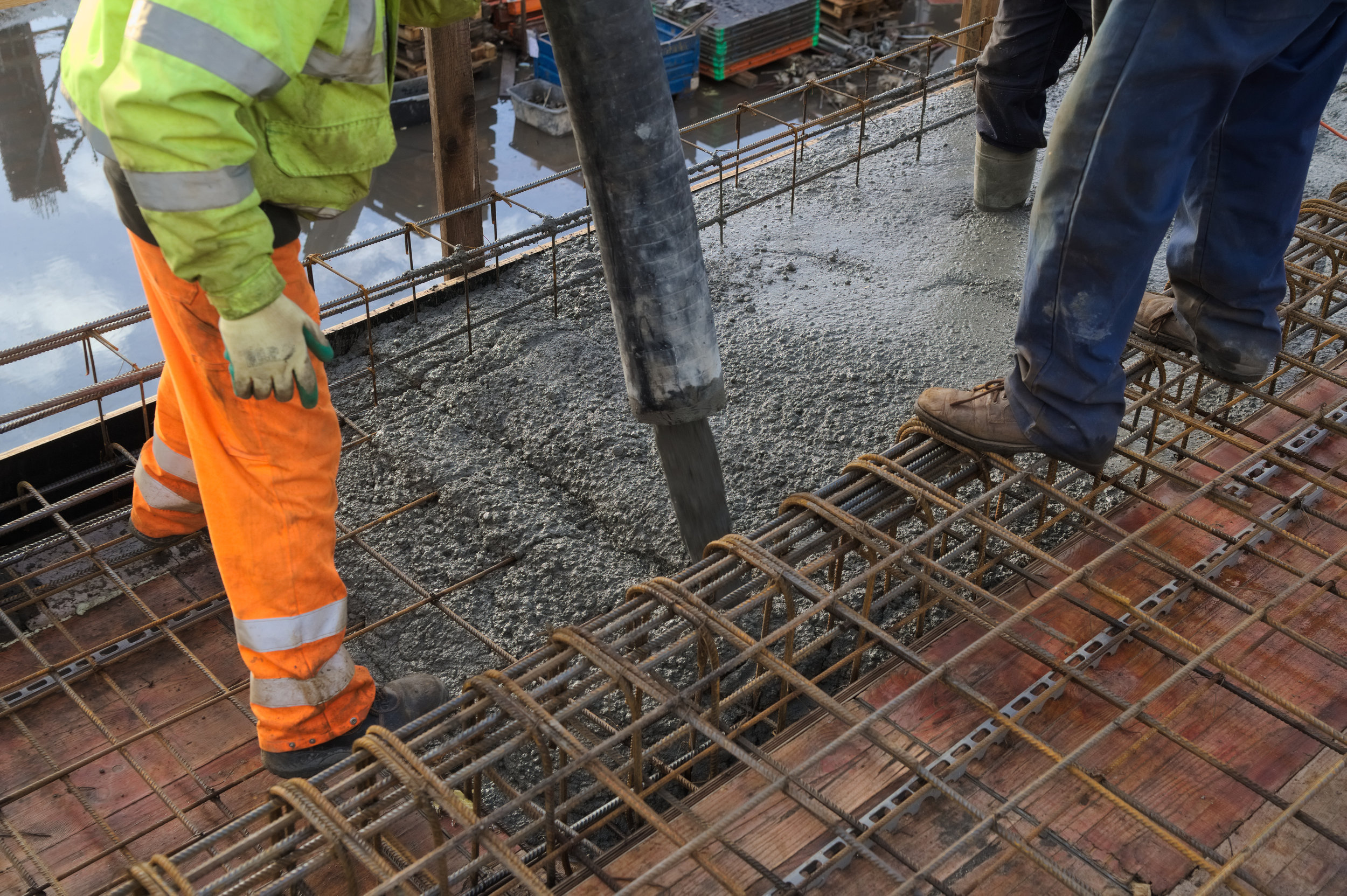
How to Write a Winning Concrete Pumping Tender Submission
Concrete pumping is a highly technical business using equipment that costs a LOT of money. When you invest heavily in equipment, you want to make sure that equipment is being used to generate income as often as possible and for many concreting businesses that means pitching for large-scale Government and Commercial projects.
Concrete pumping is a highly technical business, using equipment that costs a LOT of money. When you invest heavily in equipment, you want to make sure you use them to generate income as often as possible. For many concreting businesses, that means pitching for large-scale Government and Commercial projects.
Here are a few tips to help you create a winning tender submission that's head and shoulders above what your competitors may produce.
Hire a professional (like TenderWise!). We've written hundreds of responses and have worked with many concreters and other trades to produce winning tenders. We know how to ensure your response fits all relevant criteria and reads well.
Focus on health and safety matters. If you don't already have a comprehensive OH&S Management Plan and Site Safety Plan, it's time to get it organised. Your tender writer should be able to produce both of these for you.
Think about risks and how to control them. Concrete pumping is a high-risk business, and TenderWise recently wrote a comprehensive document, "Controlling Risk: Concrete Pumping Operational Guidelines", for a client as part of the overall submission.
Remember the environment. Many Commercial and Government tenders these days will want to see your Environmental Management Plan. If you don't already have one, it's time to get it organised. Your tender writer should be able to produce both of these for you.
The new buzzword in tender responses is sustainability. More and more tenders are asking for a copy of your sustainability policy and evidence of its application in your business. If you don't already have it, it's time to get one. Again, your tender writer should be able to produce both of these for you.
Most State Government tenders love it when you can demonstrate how you are improving the skills of local people, so if you are upskilling some of your hosemen to become pump operators, make sure this comes through in your response.
Check the requirements of the tender response and demonstrate as much as possible how your skills and experience fit the tender specifications. Try to include references to some previous projects similar to the project you're pitching for.
Include details of your crew's experience — it really matters!
Final Thoughts
These are just a few tips to help you on your way to a winning concrete pumping submission. But if you need a helping hand, then TenderWise is here to help. Just shoot us an email at pauline@tenderwise.com.au, fill out this form, or call Pauline directly on 0400 514579.

Where to find the best tenders to bid for
It's no surprise that by far the highest volume of tender requests come from Local, State and Federal Government, and the best places to make sure you're alerted to upcoming tenders that could be just right for your business is to sign up to the various Government tenders websites.
As a tender writer, I'm often asked where to find appropriate tenders for different types of businesses. It's no surprise that by far the highest volume of tender requests come from Local, State and Federal Government, and the best places to make sure you're alerted to upcoming tenders that could be just right for your business is to sign up to the various Government tenders websites.
Once you create an account, you can set up alerts so you always get notified when a tender is published. Here are some of the sites you should be subscribing to:
Local Tender Opportunities
Many local councils use VendorPanel to publish their tender opportunities - simply register and you’ll start receiving tender opportunities that may interest you. Some Councils list their tenders on the Tenderlink website (www.tenderlink.com) but you'll need to access it from the council website, otherwise you'll end up on a user pays site. The easiest thing to do is search for "tenderlink" followed by your Council name and you should find the right link straight away. In the example below I searched tenderlink Parramatta:

Some councils don't use VendorPanel or the tenderlink portal, but if you search for tenders followed by your Council name, you'll hit the right spot.
NSW Tender Opportunities
NSW State Government tenders are published on the NSW eTendering site.
Victoria Tender Opportunities
State Government tender opportunities in Victoria are advertised on the Tenders VIC website.
ACT Tender Opportunities
Tender opportunities in ACT are published on the ACT Government Procurement and Capital Works website.
South Australia Tender Opportunities
State Government tender opportunities in South Australia are advertised on the SA Tenders & Contracts website.
Tasmania Tender Opportunities
State Government tender opportunities in Tasmania are published on the Tasmanian Government Tenders website.
Western Australia Tender Opportunities
The Tenders WA website is used by Western Australian government departments to advertise public requests. WA local councils can usually be found on the WALGA website
Northern Territory Tender Opportunities
In the Northern Territory, State tender opportunities are published on the NT.GOV.AU website. You may also be eligible for funding to help pay for the cost of preparing your tender response.
Queensland Tender Opportunities
While some local councils use tenderlink to advertise tender opportunities, others use the Local Government tender box - head over to lgtenderbox.com.au to view a list of opportunities and register. Brisbane City Council uses its own website to publish tenders. The Queensland Government also uses QTenders to advertise tenders.
Federal Tender Opportunities
You'll find most federal government tender opportunities on the Australian Government's procurement information system website. Head on over to Austender to register so you get free notification of business opportunities that match your selection criteria.
Get on with it!
What are you waiting for? There are loads of tender opportunities out their right now and some of them might be just right for you! When you find your tender, if you're not sure how where to start or how to go about compiling a compelling response, contact me for an obligation free chat today.

How to Make a Clean Sweep of Cleaning Contract Tenders
The cleaning market is heavily saturated and competition for lucrative contracts is fierce. So what can you do to give your business an edge? Is it possible to polish up your tender response so you can really make a clean sweep of it? Here's six tips that will help you improve your cleaning contract bid.
While nothing is certain in a competitive market, you can certainly take several actions to help your cleaning tenders stand out.
If you're in the cleaning business, you already know you're working in a highly competitive sector with tight margins and increasingly demanding customer requirements.
The market is heavily saturated, and competition for lucrative contracts is fierce. So, what can you do to give your business an edge? Can you polish up your tender response so you can really make a clean sweep of it?
Top Tips for Writing Cleaning Tender Bids
Tip One
Consider hiring a professional to work with you on your bid. Professional tender writers have loads of experience writing persuasive tenders, know the market, and know what to expect to complete a stand-out bid.
Tip Two
If you want to go down the DIY route, ensure your response is persuasive, clear and well-written. Get someone to check for grammatical correctness and readability. I also strongly recommend you confirm it's well formatted and visually attractive.
Tip Three
Tailor your tender response as much as possible. Bring out examples of previous work that align as much as possible with the requirements of the tender specification. Don't just cut and paste the same old generic content you've used for other tenders or on your website.
Generalisations won't cut it in a competitive marketplace. Ensure you understand the key selection criteria and tailor your response with those in mind.
Tip Four
Think about any value adds you can include in your cleaning contract tender or anything that can differentiate you from your competitors. Do you use environmentally friendly products when you clean?
Do you take extra steps to reduce noise or dust pollution? Can you clean the exteriors or windows at height? Can you differentiate with your response times or reporting?
Tip Five
Think about your competitors. How are they likely to respond? What are their strengths? How can you demonstrate that your abilities outmatch theirs? How will they price their bid? Price isn't everything, but it is an important aspect, so it's essential that your tender submission is in the same range, or you're unlikely to progress.
Tip Six
It's a competitive market, just like the government tenders. You're not going to win every cleaning tender that you bid for. But keep refining your responses, and most importantly, don't give up.
Plenty of tenders get advertised throughout the year, so make sure you're registered with the tender sites to find out about the ones that are relevant to you.
Wrapping Up
There you have it, my top tips to make a clean sweep of contract cleaning tenders! If you want to take part in this competitive industry and need help to start, give me a call at 0400 514579, email me at pauline@tenderwise.com.au or fill out this form. Let’s have a chat!

Government Tenders - Are They Worth All the Effort?
Government tenders can be hard work. Lots of hard work, and that takes lots of time. Most businesses I work with to write tender responses are really really great at what they do but when it comes time to submit a bid, suddenly it all becomes a bit too hard.
Government tenders can be hard work. Lots of hard work, and that takes lots of time. Most businesses I work with to write tenders are really, really great at what they do, but when it comes time to submit a bid, it suddenly becomes too hard.
Many businesses soldier on with a poorly written response to save on cost, only to find their bid unsuccessful because it didn't meet all the criteria. Let's face it — if you're going to produce a half-hearted tender response just so you can get something in, you can't expect to be seriously considered.
So the dilemma for many businesses often comes down to whether or not the reward is worth the effort and the cost — and regardless of whether you go it alone or hire a professional, you still need to put in some effort and, of course, pay the cost.
The Effort Required to Write a Great Tender Response
All tenders are different but there are usually common elements across all of them and these include:
Demonstrated Experience
It's not good enough to simply list some of the similar projects that you've worked on. It is your opportunity to really showcase your business and how well you match the tender requirements. If you're not going to put some effort into this, don't bother going any further.
OHS&E and Quality Management Systems
You can't just state that you comply with Health and Safety, Environmental, and Quality requirements. Most tender responses these days want to see a copy of your OHS&E and Quality Management Systems, and they'll want to know if it's ISO certified.
If you don't have this documentation, only go further once you do. Most tender writers should be able to write these documents for you. When I write these, I always state in the tender response that the documents are not ISO-certified but have been developed in accordance with ISO principles.
If you hire a tender writer, you won't need to put as much effort into your tender submissions response, but be warned — you'll still need to provide plenty of information to enable the bid to develop.
The Cost of Writing
So you have two options — do it yourself or hire a professional. If you do it yourself, you won't have many out-of-pocket expenses, but you'll need to find a fair bit of time to get the job done.
Since tenders vary quite a bit, how much time depends on how savvy you are when it comes to writing. But I'd spend around 30 - 50 hours on most tender responses I work on before I'm happy with the result.
You must allow more time than this if you're not a professional writer. If you don't have the time, don't respond or find someone to do it for you.
Speaking of which, a professional tender writer will probably cost you around $300 — $5000 to complete your response. But this figure should include all your supporting documentation, such as your OHS&E and Quality Management Plans. Expect this to be more if you also need individual processes documented to support the plans.
And there is a third option — that is to write your own tender response. But hire a professional ISO consultant to help you through the OHS&E and Quality process. If you're a small business, you can expect the ISO certification process to take 6 to 12 months.
Getting the documentation ready will set you back around $10,000 — $15,000, and the annual certification process will cost you another $3500 — $4500 (note that these are rough guides only; it's different for each business.
So, is a Government Tender Worth the Effort?
In my book, if you have the capability and capacity to meet the tender requirements, then yes. These figures are from the 2014/15 financial year):
69,236 Government contracts were awarded worth a staggering $59.5 billion
67% of contracts were worth < $80,000, and 18% were worth between $80,000 to $249,000
62% of contracts related to services and 38% to the supply of goods
If you want to be a part of this $59 billion opportunity but need help figuring out where to start with the government tenders, call me at 0400 514579, email me at pauline@tenderwise.com.au or fill out this form here. Let's chat.